
NS Savannah: World's first nuclear merchant ship (Wikimedia Commons)
Nuclear Propulsion Technology & Historical Precedents
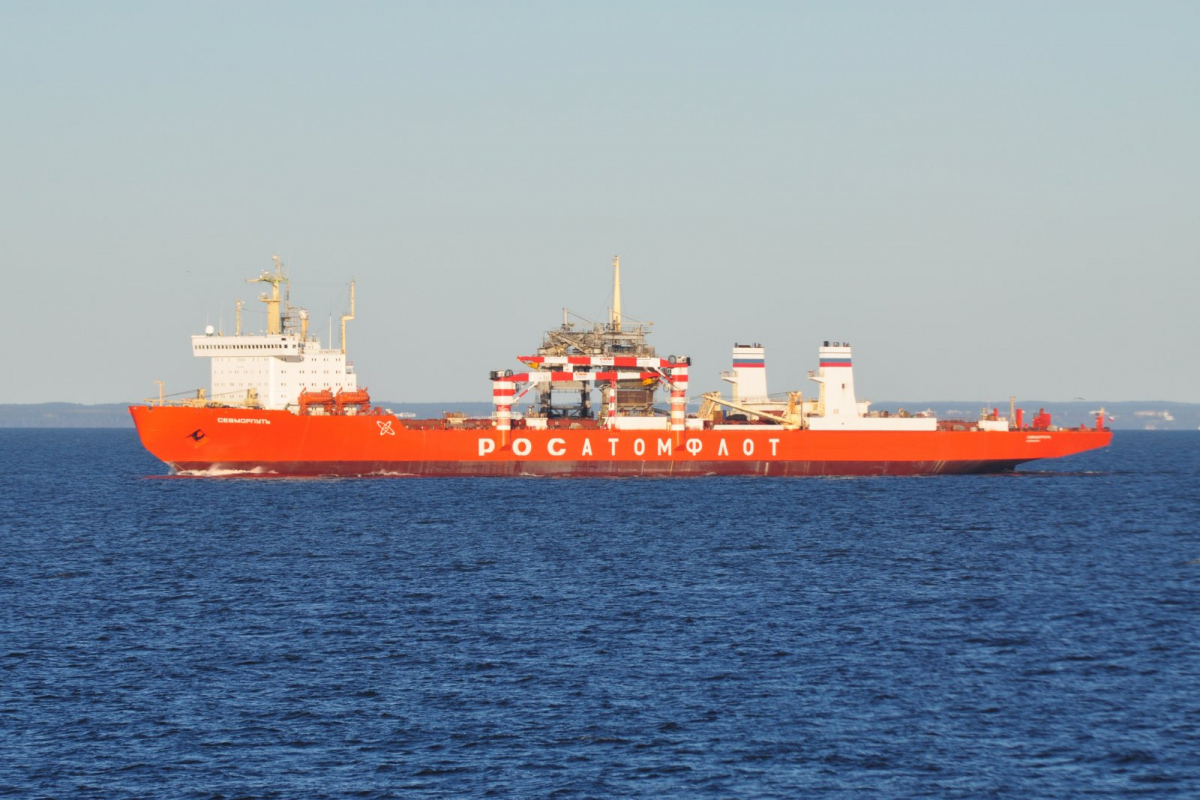
Nuclear marine propulsion uses fission heat from low-enriched uranium to generate steam, driving turbines for ship propulsion or electricity—proven technology since 1950s naval applications. The NS Savannah (1959), world's first nuclear merchant vessel, sailed 300,000 nautical miles on one reactor core with 74 MW power, though high fuel costs ended operations after a decade. Russia's nuclear fleet—including 1959 icebreaker Lenin and operational Sevmorput (135 MWt reactor, refuels every 15 years)—proves endurance for Arctic container shipping routes.
Uranium-235 energy density (3.9×10⁶ MJ/kg vs diesel's 35.8 MJ/L) frees 100x more cargo space for long-haul containerships burning 200+ tonnes fuel daily. Modern small modular reactors (SMRs) feature passive safety, molten-salt, and lead-cooled designs optimized for marine propulsion.
Shipping Decarbonization: Environmental & Operational Benefits
Commercial shipping emissions hit 1 billion tonnes CO₂ yearly (3% global total), facing IMO 2050 net-zero mandates. Nuclear-powered ships eliminate stack emissions (CO₂, SOₓ, NOₓ, particulates), slashing port-city air pollution from heavy fuel oil. Key advantages: ultra-long range (years without refueling), stable fuel costs immune to oil volatility, surplus power for onboard hydrogen/ammonia production.
LNG carriers gain 40% cargo capacity with nuclear propulsion at lower operating costs—perfect for transoceanic bulkers and cruise ships needing massive hotel loads.
IMO Regulations & Nuclear Safety Record 2025
IMO MSC 110 (June 2025) launched revisions to 1981 Nuclear Merchant Ships Code (SOLAS Chapter VIII), adding SMRs and all-electric designs from January 2026. US/UK/France naval fleets report zero reactor accidents at sea with robust containment systems. NuProShip project (2022-25) validates Kairos Power, USNC MMR, SEALER lead-cooled SMRs for civilian maritime use.
SMR Shipping Challenges & 2030 Roadmap
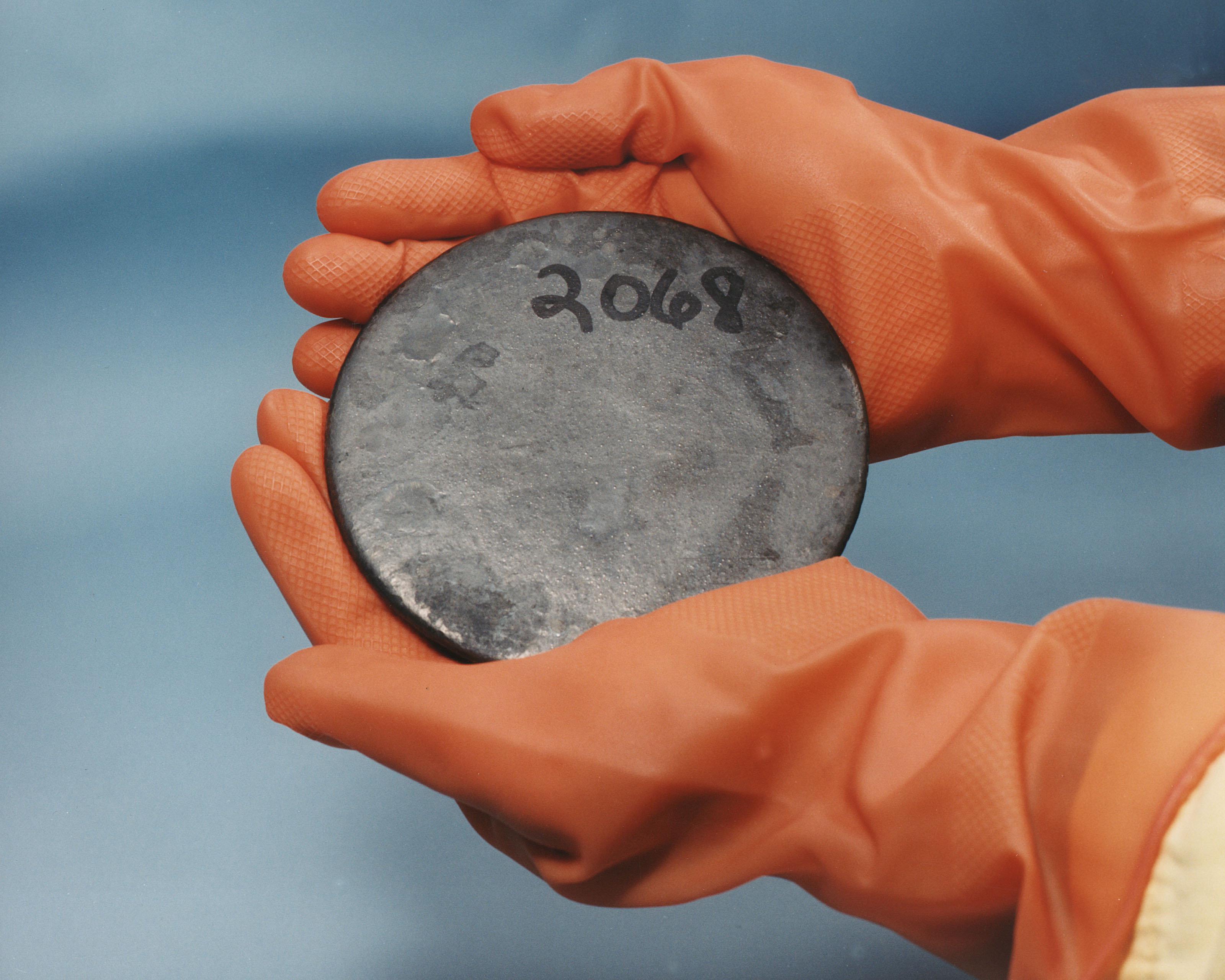
High-purity uranium fuel powers tomorrow's zero-emission ships (Wikimedia Commons)
Barriers include high capex (Savannah cost $47M in 1960s dollars), limited nuclear refueling ports, crew certification gaps. Momentum builds: Samsung Heavy Industries molten-salt reactor (2028), Core Power chloride fast reactor, Allseas 5-year SMR plan target demonstration vessels by 2030s for Arctic trade routes.
Will SMR nuclear ships solve 1B-tonne shipping emissions by 2030? Comment your predictions below!
Industry analysis: nuclear propulsion, SMR shipping, IMO decarbonization, zero-emission maritime. Images: Wikimedia Commons public domain.
Comments
Post a Comment